Last Updated: April 2026 | Reviewed by: Korea Medical Tourism Editorial Team
Patients visiting Korean clinics consistently report that focused ultrasound therapy in Korea delivers noticeably sharper results compared to treatments received in their home countries — and at a fraction of the cost. According to data from the Korea Health Industry Development Institute, South Korea saw a record influx of over 600,000 medical tourists in 2024 seeking non-surgical aesthetic procedures, with ultrasound-based skin lifting among the top five most requested treatments across Gangnam clinics. The combination of advanced device technology, highly trained practitioners, and competitive pricing makes Seoul one of the world’s premier destinations for this procedure.
Focused ultrasound therapy — commonly known as HIFU (High-Intensity Focused Ultrasound) — works by delivering precise ultrasound energy deep into the dermis and SMAS layer, stimulating collagen production without damaging the skin surface. Korean dermatology clinics have refined application protocols over the past decade, offering customized treatment plans that account for Asian skin types, facial bone structure, and individual laxity concerns. Whether you are targeting a sagging jawline, under-eye hollowing, or full-face rejuvenation, Korea’s focused ultrasound therapy landscape offers options that are both clinically rigorous and cost-effective for international visitors.
Clinical Perspective: A board-certified dermatologist practicing in Gangnam notes: “We see a significant number of international patients who have tried HIFU once abroad with disappointing results. The key difference in Korea is the depth calibration — our practitioners use multi-cartridge protocols targeting 1.5mm, 3.0mm, and 4.5mm simultaneously, which produces a more comprehensive lifting effect that single-depth treatments simply cannot replicate.”
What Is Focused Ultrasound Therapy and How Does It Work in Korean Clinics?
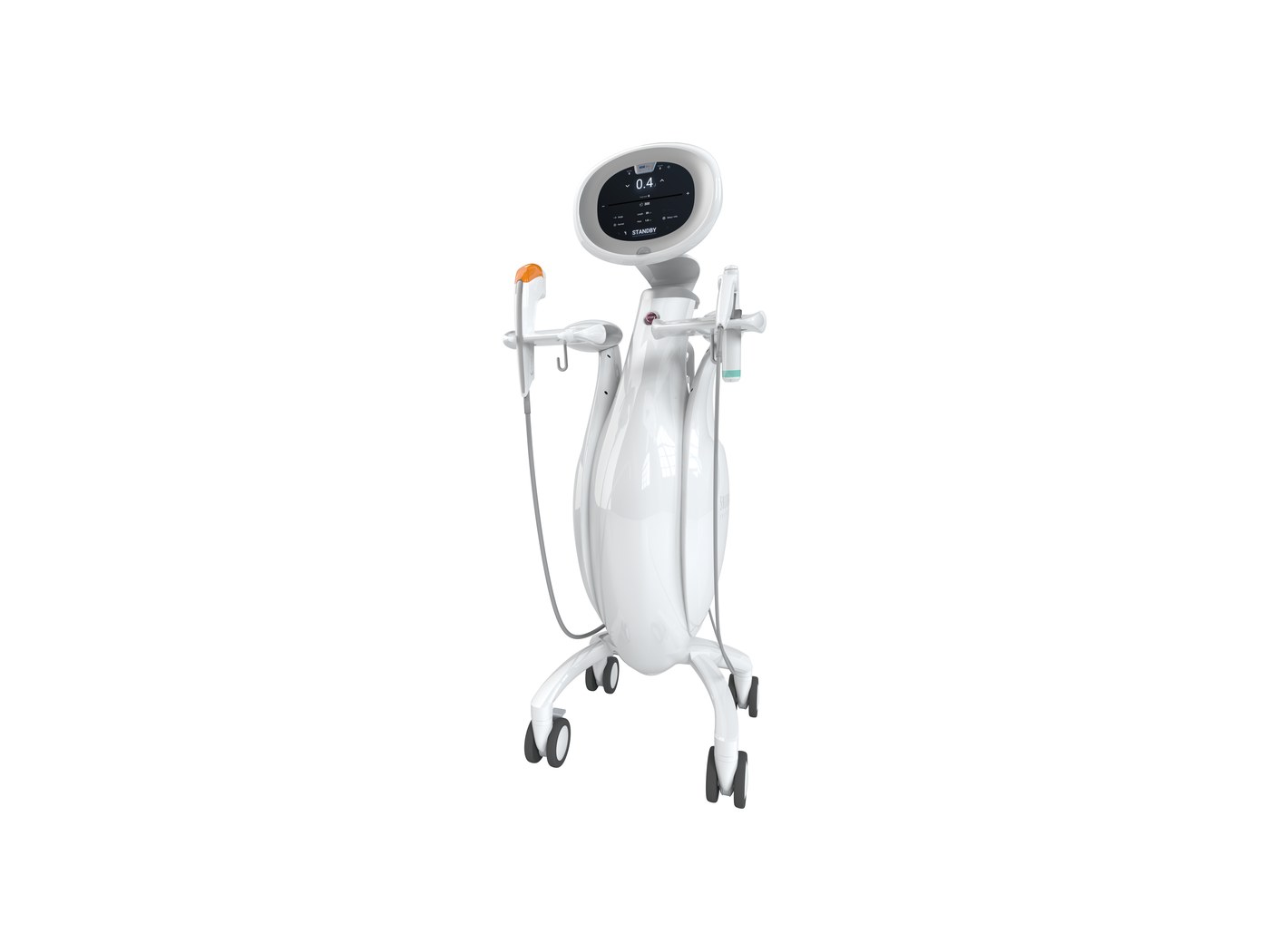
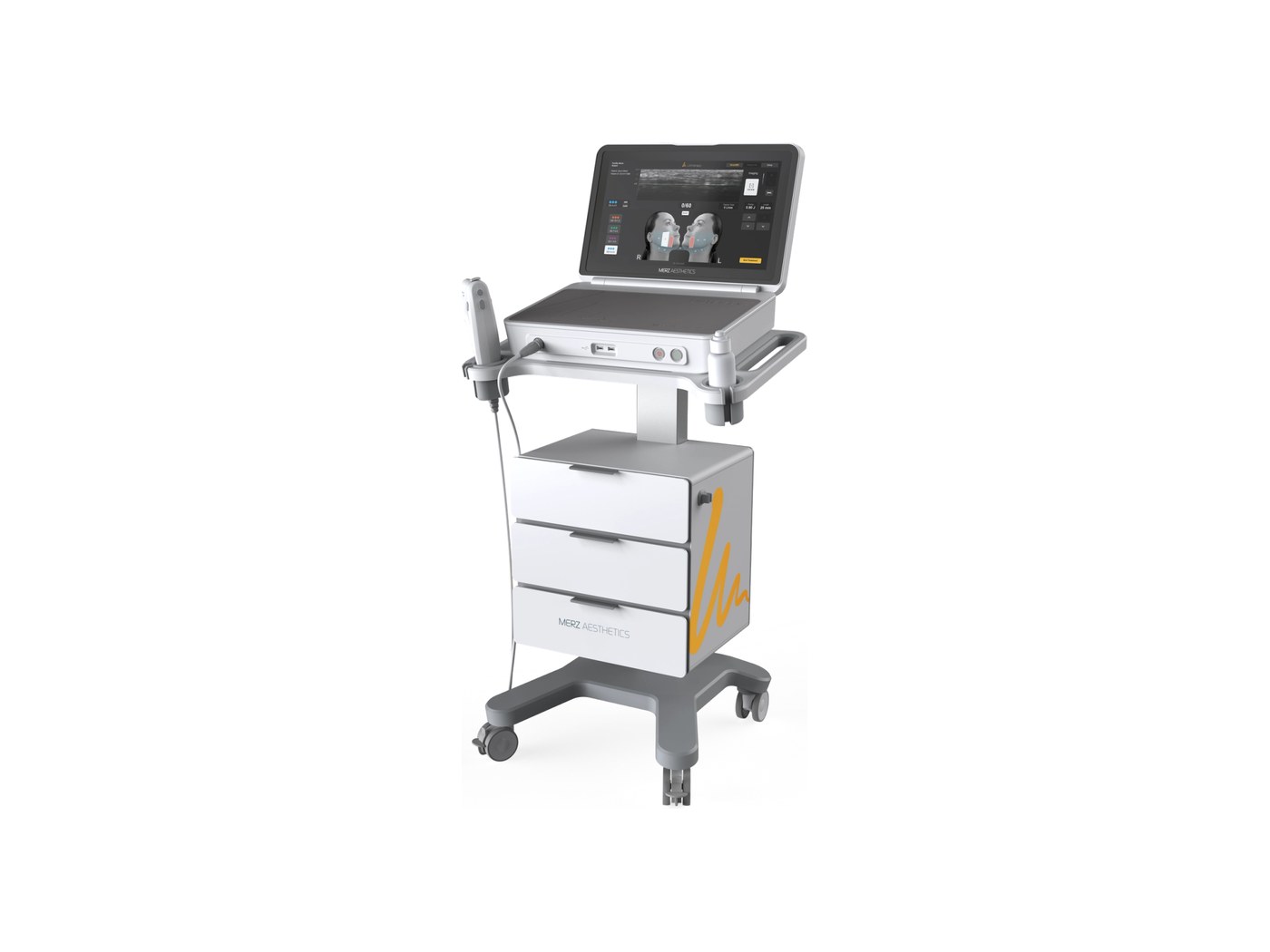
Focused ultrasound therapy uses controlled acoustic energy to create micro-thermal injury zones deep within skin tissue. These injuries trigger the body’s natural healing response, generating new collagen and elastin fibers over a three-to-six-month period. Korean clinics typically use FDA-cleared and KFDA-approved devices such as Ultherapy, Doublo, and Shurink — a domestic Korean HIFU system that has gained particular popularity for its precision cartridges and patient comfort improvements.
Key Device Options Available in Korea
Shurink Universe and Doublo Gold are Korean-developed HIFU machines widely used in Gangnam and Apgujeong clinics. These devices are approved by the Korean Ministry of Food and Drug Safety and are considered comparable to Ultherapy in clinical outcomes. Ultherapy, the internationally recognized gold standard, is also widely available in premium Korean clinics and is often paired with additional cartridges for deeper tissue targeting. Clinics we researched noted that Korean-manufactured systems allow for finer energy adjustment, which practitioners find advantageous for patients with thinner facial tissue.
Treatment Areas Commonly Addressed
The most popular treatment zones for focused ultrasound therapy in Korea include the full face and neck lift, the brow and eye area, the décolletage, and the jawline and jowl region. Body HIFU applications targeting the abdomen, inner thighs, and arms are also increasingly requested by international patients combining cosmetic and body contouring goals during a single medical tourism trip.
Focused Ultrasound Therapy Cost in Korea: KRW and USD Breakdown
One of the most compelling reasons international patients choose Korea for focused ultrasound therapy is the cost advantage. According to research conducted across multiple clinics in Seoul’s Gangnam and Sinchon districts, pricing varies based on device type, number of shots, and treatment zones covered.
Typical Price Ranges by Treatment Type
A full-face Shurink or Doublo session using 200 to 300 shots typically ranges from ₩300,000 to ₩600,000 KRW (approximately $220 to $440 USD). Mid-range full-face and neck packages using Doublo Gold or Ultherapy with 400 to 600 shots range from ₩700,000 to ₩1,400,000 KRW (approximately $510 to $1,020 USD). Premium Ultherapy full-face, neck, and brow sessions with over 600 shots are priced between ₩1,500,000 and ₩2,500,000 KRW (approximately $1,100 to $1,830 USD). By comparison, the same Ultherapy session in the United States frequently costs $3,000 to $5,000 USD, making Korea a destination with savings of 50 to 70 percent for many international patients.
What Affects Final Pricing
Pricing is influenced by the device brand, the number of transducer cartridges used, the practitioner’s seniority, and whether the clinic is located in a premium district. Clinics in Apgujeong Rodeo Street tend to price at the higher end, while equally skilled clinics in Gangnam’s side streets or near Express Bus Terminal offer more competitive rates without compromising equipment quality. Many clinics also offer package deals for repeat treatments or combinations with other non-surgical procedures such as RF microneedling or laser toning.
The Treatment Process: What to Expect From Start to Finish
Understanding the full treatment timeline helps international patients plan their itinerary in Korea effectively. The American Academy of Dermatology classifies focused ultrasound treatments as non-invasive procedures with no required downtime, a classification consistent with how Korean clinics manage patient expectations post-treatment.
Before the Procedure
A consultation is conducted on the day of or the day before treatment. The practitioner will assess skin laxity using digital imaging tools, discuss target zones, and recommend the appropriate device and shot count. Patients are advised to arrive with clean skin, remove all makeup, and avoid taking blood-thinning supplements such as fish oil or aspirin for at least five days prior. Topical numbing cream is applied 30 to 45 minutes before treatment begins at most reputable clinics.
During and After the Procedure
The procedure itself takes between 30 and 90 minutes depending on the coverage area. Patients report a sensation of brief, deep warmth or tingling as the ultrasound energy is delivered. Modern Korean devices such as Shurink Universe have been designed with patient comfort as a priority, and many patients describe the experience as significantly more tolerable than older-generation Ultherapy protocols. Immediately after treatment, mild redness, swelling, or tingling may be present for two to 24 hours. There is no social downtime required, and most international patients return to sightseeing or work the same day. Visible lifting results emerge progressively over three to six months as new collagen matures, with optimal results typically seen at the three-month mark.
Choosing the Right Clinic for Focused Ultrasound Therapy in Korea
Not all clinics offering focused ultrasound therapy in Korea are equal. Verifying credentials, device authenticity, and practitioner training are critical steps before booking any procedure as an international patient.
Credentials and Certifications to Look For
Legitimate Korean dermatology clinics should be registered with the Korean Medical Association and operate under a licensed dermatologist or plastic surgeon. Clinics should be able to provide device serial numbers to confirm they are using genuine, maintained cartridges — a concern because counterfeit or worn cartridges are a known issue in some lower-tier providers. Patients are encouraged to verify clinic registration through the Korean Ministry of Health and Welfare’s public health institution lookup system at mohw.go.kr.
What to Know Before You Book
Based on our research across multiple Gangnam clinics, international patients should follow these practical guidelines before confirming any focused ultrasound therapy appointment in Korea. First, always request a pre-consultation — either in person on arrival or via video call before your trip — to confirm the practitioner’s experience with non-Asian skin tones if applicable, as energy calibration may differ. Second, clinics we contacted confirmed that the best time to schedule treatment is early in your Korea trip, ideally within the first two days of arrival, so that any minor swelling resolves before your return flight. Third, ask specifically whether the quote includes all transducer depths; some clinics advertise low prices but only include a single-depth cartridge, which reduces efficacy. Fourth, verify that the clinic’s device is within its manufacturer-recommended usage life — reputable clinics will willingly show maintenance records. Fifth, check whether the clinic offers a complimentary follow-up consultation; clinics we researched in Apgujeong typically include a 30-day follow-up check as part of their standard package, which is a strong indicator of quality aftercare standards.
Frequently Asked Questions
How many sessions of focused ultrasound therapy will I need in Korea?
Most patients achieve meaningful results from a single focused ultrasound therapy session, as Korean clinics typically deliver a comprehensive shot count in one sitting. However, patients with moderate to significant laxity may be advised to return for a second session after six months once initial collagen remodeling is complete. Your practitioner will give a personalized recommendation during the consultation based on your skin condition and goals.
Is focused ultrasound therapy in Korea safe for all skin types?
Yes, focused ultrasound therapy is generally safe for all Fitzpatrick skin types, including darker skin tones, because the energy bypasses the epidermis and targets deeper tissue layers. Korean practitioners are particularly experienced with Asian skin types, though clinics frequently treat international patients from Europe, the Middle East, and Southeast Asia. Always disclose any history of keloid scarring, active skin infections, or implanted metal devices before treatment.
How long do the results of HIFU treatment in Korea last?
Results from a single session of focused ultrasound therapy typically last between 12 and 18 months, though this varies based on age, lifestyle, and skin condition. The collagen stimulation process continues for up to six months post-treatment, meaning the final result is not visible immediately. Annual maintenance sessions are commonly recommended by Korean dermatologists to sustain the lifting effect as natural collagen depletion continues with aging.
Can I combine focused ultrasound therapy with other treatments during my Korea trip?
Combining HIFU with complementary treatments is very common in Korean clinics and is often packaged at a discount. Popular combinations include HIFU followed by skin booster injections (such as Rejuran or Juvederm Hydrate) performed two to three days later, or pairing HIFU with RF microneedling targeting different skin layers. Your clinic will provide a sequencing plan to ensure treatments do not interfere with each other’s healing windows.
Do Korean clinics provide consultations in English for international patients?
The majority of established dermatology clinics in Gangnam and Apgujeong have English-speaking coordinators or provide translation apps and written menus in English, Chinese, and Japanese. Clinics we contacted confirmed that international patient coordinators are available by WhatsApp or KakaoTalk for pre-arrival consultations. It is advisable to communicate your concerns in writing before arriving to ensure the practitioner is briefed in advance.
What is the difference between Ultherapy and Shurink in Korean clinics?
Ultherapy is an FDA-cleared, American-developed device with extensive long-term clinical data and uses real-time ultrasound imaging during treatment. Shurink is a Korean-developed HIFU system approved by the Korean MFDS (Ministry of Food and Drug Safety) that delivers comparable lifting outcomes, often at a lower cost and with improved patient comfort due to refined pulse delivery technology. Many Korean clinics offer both, and your practitioner can recommend the most appropriate device based on your specific tissue depth needs and sensitivity level.
Related Articles
If you found this guide useful, explore these additional resources for international patients considering treatment in Korea:
- Non-Surgical Facelift in Korea: Complete Patient Guide
- Ultrasound Facelift Korea Cost: Pricing Breakdown for 2026
- HIFU Skin Lifting in Korea: What International Patients Should Know
- HIFU Double Chin Treatment Korea: Options and Results
- HIFU Treatment Side Effects in Korea: A Transparent Review